
When Is the Best Time to Visit Morocco?
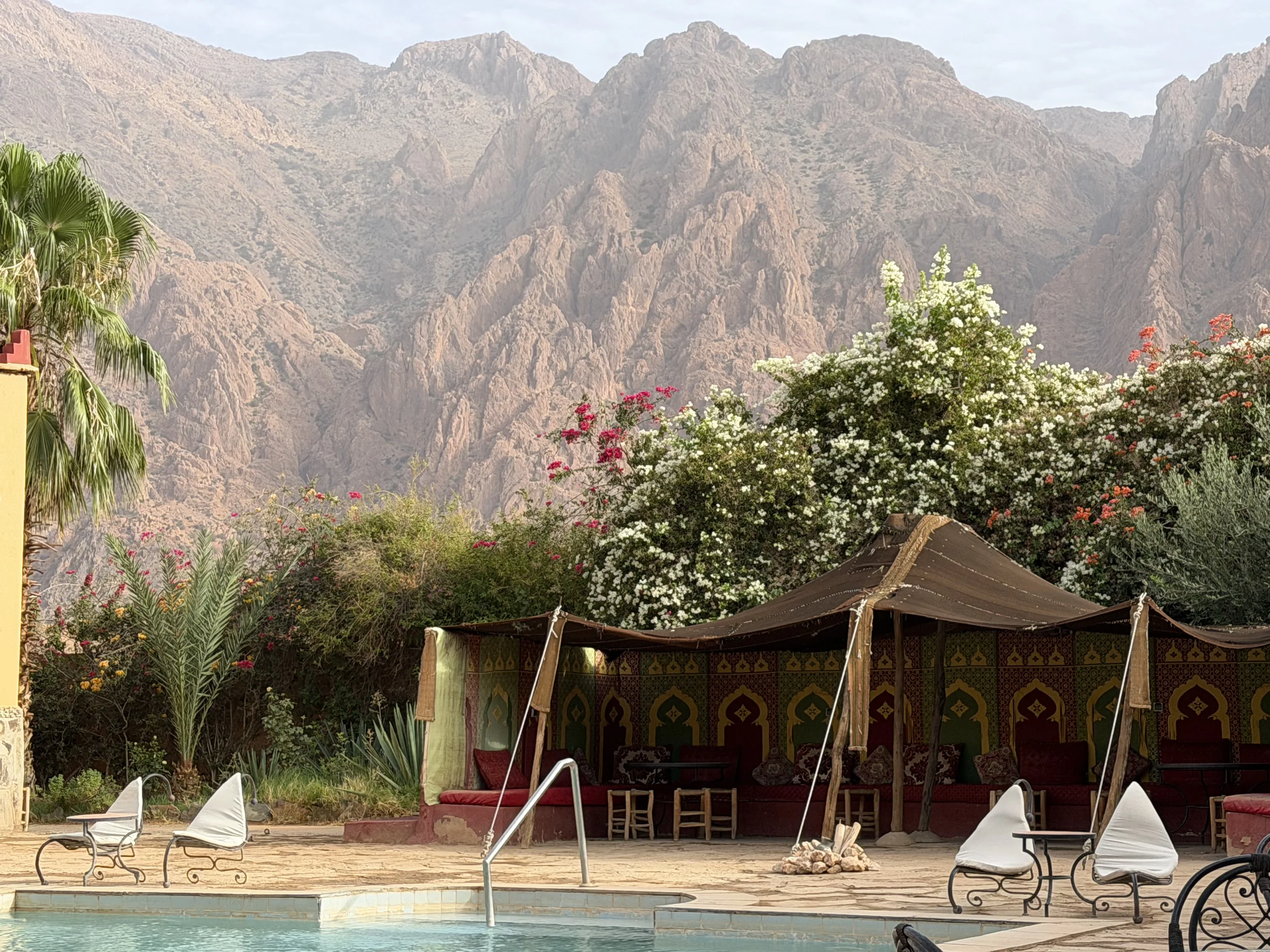
Tafraoute Poolside
There is no single best month to visit Morocco.
That would be convenient.
But Morocco is not one kind of destination.
It has Atlantic beaches, Mediterranean coves, mountain villages, busy inland cities and the vast landscapes of the Sahara. You can leave a warm afternoon in Marrakech, cross a cold mountain pass and end the day somewhere that feels completely different.
So the best time to visit Morocco depends on what you want the trip to feel like.
For most first-time travellers, I would choose spring or fall. The temperatures are generally more comfortable for walking through medinas, travelling between cities and spending time in the desert. But summer can be wonderful on the coast, winter can be surprisingly peaceful and certain quieter months may help you travel on a smaller budget.
Here is how I would decide.
Visiting Morocco in the Spring
Spring is one of the easiest seasons for travelling through several regions of Morocco.
March, April and May are generally comfortable for exploring cities such as Marrakech, Fez, Rabat and Chefchaouen. The days can be warm without reaching the intense temperatures that inland Morocco may experience later in the summer.
It is also a beautiful time for the countryside.
The landscapes can appear greener, valleys may feel more alive and the Atlas Mountains create a dramatic backdrop as you travel south. Temperatures still vary by elevation, so you need layers if your itinerary includes mountain areas.
Spring is also one of the best times for the Sahara. Morocco’s national tourism office recommends spring and fall for desert travel, when conditions are more manageable than during the hottest part of summer. (Visit Morocco)
The downside?
Other travellers have the same idea.
Popular riads, private drivers and highly rated desert camps can fill earlier during the spring. Easter travel dates may also increase demand in some destinations.
I would book ahead, but I would not over-schedule every hour.
Morocco is better when the itinerary still has room to breathe.
Visiting Morocco in the Fall
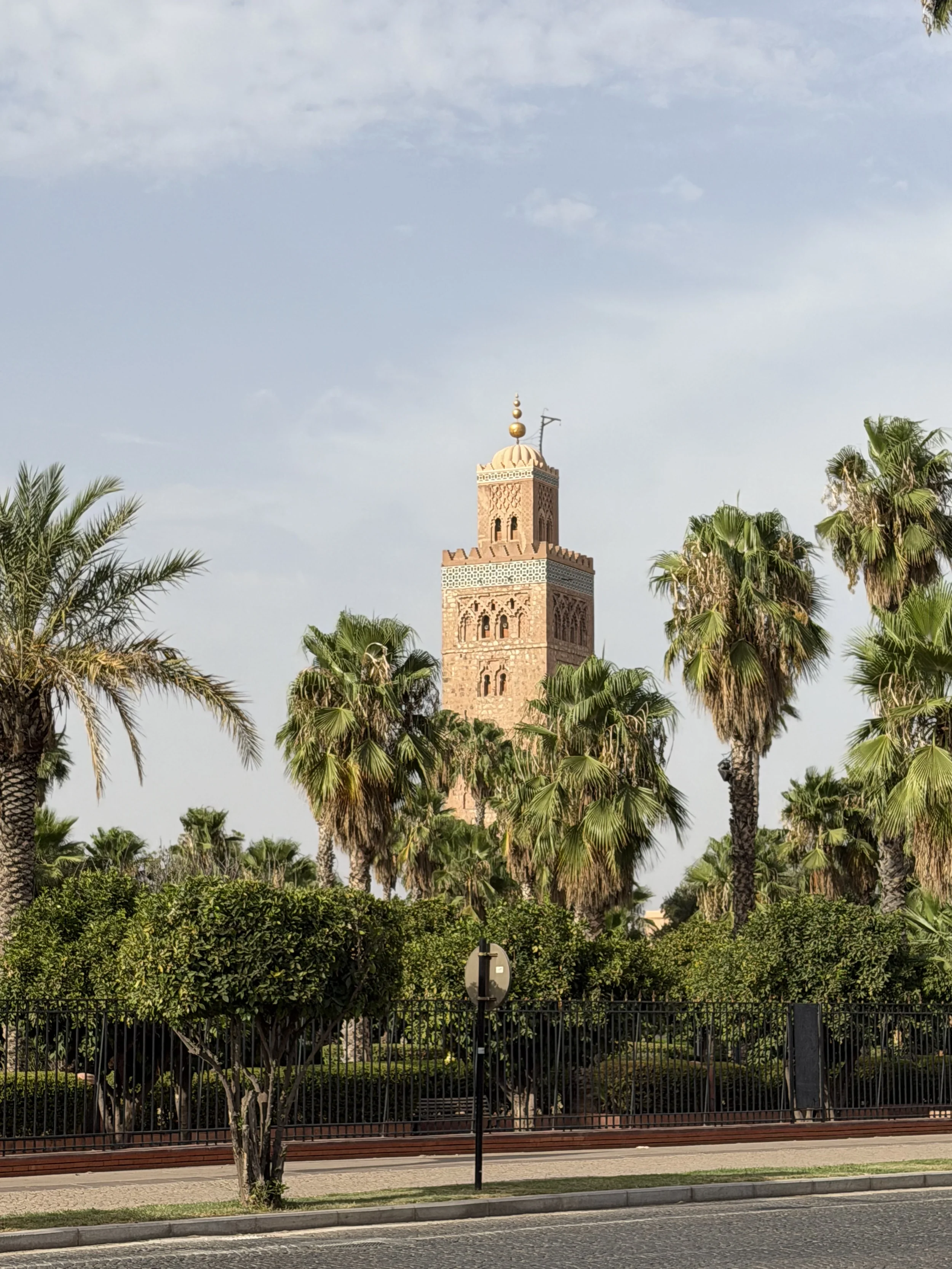
Fall may be my favourite answer to this question.
September can still be hot inland, but October and November often bring more comfortable temperatures for sightseeing. The coast remains inviting, the desert becomes more pleasant and long travel days feel less exhausting than they do in peak summer heat.
Fall works especially well if you want a trip that combines several parts of the country.
You can spend time in Marrakech, cross the High Atlas, continue toward Merzouga and still add Fez or the coast without planning the entire journey around extreme weather.
It also has a slightly different energy from spring.
The landscapes may not be as green, but the warmer colours suit Morocco beautifully. The light across the desert and old kasbahs can be incredible.
October is popular, so it is not necessarily the cheapest month. But for a balanced first visit, it is difficult to beat.
Visiting Morocco in the Summer
Summer is not automatically a bad time to visit Morocco.
It just requires a smarter route.
June, July and August can be intensely hot in inland cities and the desert. Walking through Marrakech in the middle of the afternoon is a very different experience from exploring it in the cooler morning hours.
This is when I would slow the itinerary down.
Choose accommodations with air conditioning and a pool. Plan medina walks early in the day. Leave space for a long lunch or rest in the afternoon rather than treating the trip like a checklist.
Summer makes more sense when the coast is the main focus.
Agadir, Taghazout, Essaouira and northern Mediterranean destinations can offer a more comfortable escape from inland heat. Morocco’s tourism office notes that the country’s coastal regions receive abundant sunshine, while Agadir is known for mild temperatures, trade winds and roughly 300 days of sunshine each year. (Visit Morocco)
The beach towns will be busier during summer holidays.
But if your dream is to spend several days beside the water and only add a small amount of city sightseeing, summer can work very well.
Also check - Best Beaches in Morocco
Visiting Morocco in the Winter
Winter is underrated.
December, January and February can bring cooler evenings and occasional rain, but the cities may feel calmer than during the busiest spring and fall periods.
Daytime temperatures can still be pleasant in places such as Marrakech and Agadir. Once the sun goes down, however, the temperature can fall quickly.
And not every riad feels as warm as it looks in photographs.
Bring layers.
The Atlas Mountains may experience snow, and higher routes can be cold. Desert days may feel comfortable, but nights in and around Merzouga can be genuinely chilly.
Winter is a good choice for travellers who care more about culture, food and architecture than swimming. It can also work for people who prefer quieter medinas and do not mind carrying a jacket.
Just remember that daylight hours are shorter, which matters when your route includes long drives.
The Best Time to Visit Morocco on a Budget
For a smaller budget, I would look at late fall, winter outside the holiday period or the edges of summer.
January and February may offer better accommodation availability in some cities, although prices vary by destination, property and event schedule. Late November and early December can also fall between busier travel periods.
There is usually a trade-off.
Lower prices may come with cooler evenings, shorter days or less predictable weather. Travelling during very hot summer periods may reduce demand in inland cities, but saving money is not helpful if the heat prevents you from enjoying the trip.
The best budget strategy is often choosing a slightly quieter season rather than the least comfortable one.
I would also spend fewer nights changing locations.
Every transfer adds transportation costs, luggage handling and another check-in. Staying three nights in one place can feel more rewarding—and sometimes cost less—than racing through three cities in the same amount of time.
The Best Time for Enjoying Morocco’s Beaches
For a classic beach holiday, June through September is the clearest choice.
The Mediterranean coast is especially appealing in summer, with destinations such as Tangier, Tamuda Bay, Al Hoceima and Saïdia offering sandy beaches, coves and water activities.
The Atlantic coast is different.
Essaouira can be windy, Taghazout is strongly connected to surf culture and Agadir is the more straightforward resort option. Morocco’s Atlantic beaches support surfing and other water sports, with destinations such as Agadir, Essaouira and Safi known internationally for their waves.
September is a sweet spot for many coastal trips.
The weather may still feel summery, while some destinations begin to settle after the busiest holiday period.
But I would not visit Essaouira expecting a still, tropical beach.
The wind is part of its personality.
Go for the ocean, the medina, the seafood and the atmosphere—not because you expect every day to feel like a Caribbean resort.
The Best Time for Tours in the Sahara Desert
The best time for a Sahara Desert tour is generally spring or fall.
March through May and October through November usually provide a better balance between daytime warmth and manageable nights. These seasons are recommended by Morocco’s national tourism office for exploring the southern desert regions. (Visit Morocco)
Summer can be extremely hot.
A desert camp may look romantic online, but intense heat changes the experience. Long drives become more tiring, afternoon activities may be limited and the inside of a tent can be uncomfortable.
Winter desert tours are possible and can be beautiful.
The days may be pleasant, the skies can be clear and the sunrise over the dunes is still worth waking up for.
But the nights can be cold.
Ask whether the camp provides proper blankets, heating and a private bathroom. The word “luxury” does not always mean the same thing in every desert camp.
I would also allow enough time for the journey.
Merzouga is not a quick excursion from Marrakech. The route commonly passes through the High Atlas, Aït Benhaddou, Ouarzazate, the Dadès Valley and Todra Gorge before reaching the Erg Chebbi dunes. Morocco’s tourism office presents the desert journey as a multi-stage route rather than a simple day trip. (Visit Morocco)
The drive is not something to endure before the real trip begins.
It is part of the trip.
You can also read - Is Morocco Safe for Canadians to Travel to?
Choosing the Right Month for Your Morocco Journey
I would choose April or May for green landscapes and comfortable sightseeing.
October or November for a balanced city-and-desert itinerary.
July or August for a trip focused mainly on the beach.
January or February for quieter cities and potentially better value.
But the best month still depends on your route.
A well-planned summer trip along the coast may be far more enjoyable than an overcrowded spring itinerary trying to include every famous destination in eight days.
Maple & Medina can create acustom Morocco journey around the season, regions and pace that fit the way you actually want to travel. Their itineraries are private and customizable rather than built around one fixed version of Morocco. (Maple & Medina)
Because choosing the best time to visit Morocco is not only about finding the perfect temperature.
It is about matching the season to the experience you want.
The coast when you want to slow down.
The desert when you can enjoy being outside.
The cities when you have the energy to wander.
That is what makes the timing feel right.
-
For most first time visitors, I would choose spring or fall.
April, May, October and November usually offer some of the most pleasant weather for combining cities, the desert and the mountains without having to build your entire itinerary around extreme temperatures.
These months are also a good fit if you want to see several of Morocco’s diverse landscapes in one trip. You could spend time in the imperial cities, travel through the High Atlas Mountains, continue into the desert regions and still add a few days along the Atlantic coast.
October can be busy, so do not assume fall automatically means fewer crowds. But weather wise, it is one of the easiest times to experience Morocco without making too many compromises. You can also check out our places to visit on the first trip to Morocco blog post for some great tips about where to go.
-
Yes. I actually think the winter months can be a great time to visit if beaches are not the main reason for your trip.
Places such as Marrakech can still have mild weather and pleasant temperatures during the day, although evenings are noticeably colder. Once you reach the mountain regions or the Sahara, you should expect cold nights and temperatures dropping quickly after sunset.
You may also experience some winter rains, particularly in northern and coastal areas, so I would pack layers rather than relying on one heavy coat.
The upside is that winter can mean fewer tourists in some destinations and a slower pace in the bustling cities. If your ideal Morocco trip involves food, architecture, markets and historic sites, winter deserves more consideration than it usually gets.
-
If you do not handle heat well, I would be cautious about July and August, particularly if your itinerary focuses on inland Morocco.
The summer months can bring extreme heat to Marrakech, Fez and the southern inland and desert regions. In some places, afternoon temperatures can become extremely hot, making long sightseeing days far less enjoyable.
That does not mean you need to avoid Morocco entirely.
The coastal cities and coastal towns can be much more comfortable thanks to the ocean and sea breeze. A summer itinerary centred around Essaouira, Agadir, Taghazout or parts of the Moroccan coast can work very well.
If you do travel inland during summer, plan activities for the early morning, choose accommodations with air conditioning and give yourself permission to do less in the hottest part of the day.
-
I would give fall a slight edge for a classic Morocco trip, but it really depends on what you want to see.
Spring can bring greener scenery, wildflowers and lush valleys, making it especially beautiful for mountain trekking and exploring the Atlas Mountains. Temperatures are generally comfortable, although popular destinations can become busy during peak season.
Fall feels different.
October and November often bring comfortable temperatures, clear skies and better conditions for travelling between Marrakech, the High Atlas and the Sahara. The landscape may be drier than it is in spring, but the colours around the kasbahs and vast deserts are beautiful.
Both are strong shoulder seasons.
If your preferred season involves greener landscapes and outdoor activities, choose spring. If you want a city-and-desert Moroccan adventure with warm days and cooler evenings, I would choose fall.
-
The biggest thing to understand is that there is no single answer for the best time to visit because Morocco’s weather conditions can change dramatically depending on where you are.
You can experience a Mediterranean climate in parts of northern Morocco, ocean-influenced weather along the coast, a more semi arid climate inland and completely different conditions again in the Atlas Mountains and Sahara Desert. That is why understanding Morocco’s climate matters more than simply looking at the average temperature for the country.
Morocco is absolutely a year round destination, but the right time to visit depends on your itinerary.
Spring and fall usually offer the most mild and pleasant weather for travellers who want to combine Marrakech, Fez, the mountains and the desert. These months can also be some of the busiest, so expect peak season crowds in popular destinations. If you are hoping for fewer tourists, consider travelling just outside the busiest weeks rather than choosing the middle of the low tourist season solely to save money.
Summer requires more planning. The summer months can bring scorching heat to inland Morocco, while the coastal cities, coastal towns and other coastal areas are often easier to enjoy. Places beside the Atlantic can benefit from cooler temperatures, while Marrakech and the desert experience much warmer temperatures. If beaches and swimming are your priority, summer may actually provide your ideal weather.
Winter has its own advantages. Winter weather can mean chilly evenings, wet winters in some northern areas and a greater chance of rain during the rainy season. But days can still be pleasantly warm in southern destinations. Bring warm layers if your route includes the High Atlas Mountains, where conditions can change quickly.
The seasons can also affect what you experience beyond the weather. Spring brings lush landscapes, especially around mountain areas, while autumn overlaps with the harvest season and date season in parts of the country. Morocco also hosts several cultural festivals throughout the year. Depending on when you travel, the festival calendar may include the Rose Festival, the Gnaoua World Music Festival in Essaouira or events celebrating world sacred music in Fez.
If you are interested in outdoor activities, timing becomes even more important. Spring and fall are better for hiking in the Atlas Mountains, while winter can bring snow at higher elevations. The desert is better outside the hottest part of the year, whether you want camel trekking, camel rides, stargazing under the night sky or simply enough time outside to appreciate the landscape.
And Morocco is much more than weather.
One of the reasons I would not obsess over finding a mathematically perfect month is that the country’s rich culture, rich history, bustling markets, historical sites, local life and genuinely delicious food are there regardless of the season.
Choose the month that makes the most sense for the places you actually want to see.
If your itinerary is mostly beaches, prioritize the coast. If you want mountains and desert, avoid the most extreme summer temperatures. If you want cities, food and culture, almost any season can work with the right expectations.
There really is no bad time to visit Morocco—just seasons that make certain kinds of trips easier than others.